Why Your Homemade Sauces Are Too Thin and Lackluster (And The Pro Secrets for Rich, Velvety Perfection Every Time)
You’ve just spent time carefully preparing a meal. The aroma is promising, the ingredients are fresh, and everything looks ready for that final, crucial touch: the sauce. You pour it over your pasta, drizzle it onto your protein, or spoon it over your vegetables, only to find… it’s too thin. It slides right off, taking much of the flavor with it. It lacks that luscious, velvety texture, that deep, resonant flavor that makes a restaurant dish sing. Instead of clinging beautifully, enhancing every bite, it’s watery, leaving your dish feeling incomplete and, frankly, a little disappointing. In my experience, this is one of the most common pitfalls home cooks face, and it’s a source of immense frustration because a truly great sauce elevates an ordinary meal into something memorable. The good news? It’s almost never about needing to buy expensive ingredients or having some inherent ‘chef’s touch.’ It’s about understanding a few fundamental, often overlooked, principles that professional kitchens live by.
Key Takeaways
- Achieve rich, clinging sauces by reducing liquids properly and adding body through techniques like emulsification or incorporating fat and starch.
- Build a deep flavor foundation early in the cooking process, allowing aromatics to caramelize and ingredients to meld.
- Control sauce texture through precise thickening methods, such as roux, beurre manié, or cornstarch slurries, added at the right stage.
- Finish sauces with a touch of fat or a final seasoning adjustment to enhance richness and balance taste.
The Overlooked Power of Reduction: It’s More Than Just Boiling
Many home cooks see ‘reducing a sauce’ as just boiling it down until some water evaporates. While that’s technically true, it misses the entire point of what a proper reduction achieves: flavor concentration and natural thickening. In my culinary journey, mastering reduction was a game-changer. It’s not just about volume; it’s about transformation. As water evaporates, the sugars, proteins, and flavor compounds left behind become more concentrated, intensifying the taste of your sauce dramatically. Simultaneously, these concentrated solids naturally increase the viscosity, giving the sauce more body without the need for heavy thickeners.
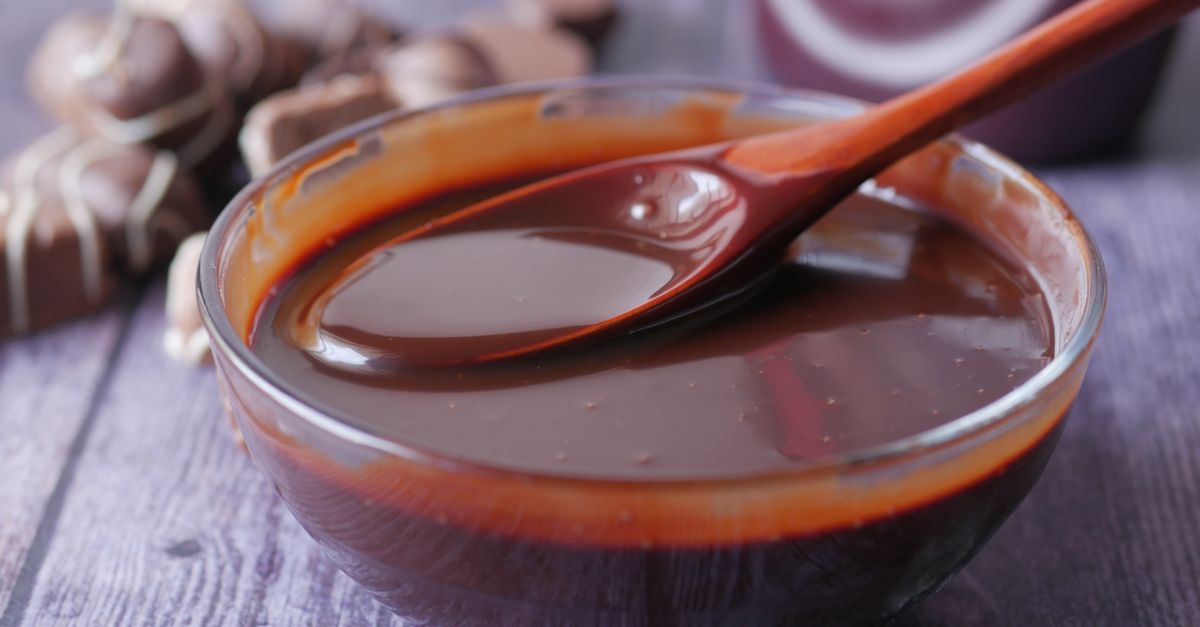
The mistake I see most often is impatience. People rush the reduction, often over high heat, which can lead to scorching or a flat, one-dimensional flavor. What changed everything for me was embracing low-and-slow reduction, allowing the flavors to deepen gradually. For instance, when making a tomato sauce, after sautéing your aromatics and adding crushed tomatoes, let it simmer, uncovered, for a significant amount of time – often an hour or more. You’ll see the sauce transform from watery to a rich, almost jam-like consistency. For pan sauces, after deglazing with wine or broth, let it bubble gently until it coats the back of a spoon, almost as if it’s clinging. This isn’t just about reducing; it’s about building a foundation of flavor that can’t be replicated with quick additions of thickeners at the end.
Specific numbers matter here: aim for at least a 25-50% volume reduction for most savory sauces to achieve noticeable depth. A good test is to dip a spoon into the simmering sauce. If it runs off the spoon like water, it needs more time. If it coats the back lightly, it’s getting there. If it clings and leaves a visible layer, you’ve hit the sweet spot of concentrated flavor and natural body.
The Flavor Foundation: Why Your Sauce Tastes ‘Flat’
Thin sauces often go hand-in-hand with lackluster flavor. This isn’t a coincidence; many of the techniques that build body also build taste. The hidden cost of quick sauces is often flavor. The mistake I see most often is treating ingredients as discrete components, rather than layers building upon each other. For example, browning aromatics like onions, garlic, and even tomato paste early on – really letting them caramelize and deepen in color – creates a complex base of flavor that infuses the entire sauce. This is the Maillard reaction at work, generating hundreds of new flavor compounds that are impossible to achieve by simply adding ingredients at the end.
What changed everything for me was learning to respect the mise en place not just for organization, but for timing. Each ingredient added to the pan should have a purpose and a moment to develop its full potential. When making a pan sauce after searing meat, for instance, don’t just deglaze and reduce. First, allow the fond (the browned bits on the bottom of the pan) to deepen in color without burning. Then deglaze with wine or stock, scraping up those flavorful bits. This fond is a treasure trove of concentrated savory goodness that would otherwise be lost. If you’re building a gravy, ensure your roasted meat drippings are deeply browned before adding flour.
Another crucial, often overlooked element is acidity. A touch of acid—a squeeze of lemon, a splash of vinegar, or a dash of wine—can brighten and balance rich sauces, making the existing flavors pop instead of fading into a bland pool. Think of it as the final seasoning adjustment that brings everything into harmony. Without this, even a thick sauce can taste heavy and dull. Always taste and adjust acidity at the very end.
Strategic Thickening: Knowing When and How to Add Body
Beyond reduction, there are several professional thickening techniques that can transform a watery liquid into a luxurious sauce. The mistake I see most often is relying solely on flour or cornstarch, added haphazardly, which can lead to lumpy textures or a gloopy mouthfeel. What changed everything for me was understanding the mechanisms behind each thickener and choosing the right one for the desired result.
Roux (Flour + Fat): This is the classic foundation for gravies, béchamel, and many creamy sauces. The key is cooking the flour in the fat (butter, oil, or even pan drippings) for several minutes before adding liquid. This cooks out the raw flour taste and allows the starch granules to swell evenly. For a light sauce, use a pale roux; for a nuttier flavor and deeper color, cook it longer. The ratio is typically equal parts fat and flour by weight, then about 8-12 parts liquid. Whisk the liquid in gradually to avoid lumps, and let it simmer to fully activate the thickening power.
Beurre Manié (Raw Butter + Flour): This is my secret weapon for last-minute thickening or rescuing a sauce that’s just a touch too thin. It’s simply equal parts softened butter and flour kneaded together into a paste. Whisk small pieces of it into a simmering sauce, and it will dissolve, gradually thickening the liquid without adding a raw flour taste. Because the flour isn’t cooked, it’s best for lighter, quick additions rather than foundational thickening.
Cornstarch Slurry: For clear, glossy sauces like those used in Asian cuisine, a cornstarch slurry (cornstarch mixed with an equal amount of cold water) is ideal. The crucial difference here is to add it after your sauce has reached its desired flavor, towards the end of cooking. Always dissolve cornstarch in cold liquid first to prevent lumps, then slowly whisk it into your hot sauce until it thickens. Be careful not to overcook sauces thickened with cornstarch, as prolonged boiling can break down its thickening properties.
Other Starches (Arrowroot, Tapioca): These offer similar properties to cornstarch, often creating an even clearer, glossier finish. Arrowroot thickens at lower temperatures and is good for delicate sauces, while tapioca is excellent for fruit fillings as it can withstand freezing and reheating.
Vegetable Purées: For a more rustic, wholesome thickness and added nutrition, puréed vegetables (like roasted carrots, squash, or even the sauce’s own ingredients) can add significant body. Simply blend a portion of your sauce with some of the cooked vegetables until smooth, then return it to the pot.
The specific numbers for starches vary, but a good starting point is 1 tablespoon of cornstarch (or other starch) per cup of liquid for a medium-thick sauce, always dissolved in an equal amount of cold water first. Remember, sauces thicken more as they cool, so aim for slightly thinner than desired when hot.
The Finishing Touch: Emulsification and Fat for Luxurious Body
Once you have a well-reduced, flavorful, and appropriately thickened sauce, the final step for a truly professional result is often about richness and sheen. The mistake I see most often is neglecting the power of finishing a sauce, leading to a sauce that tastes good but lacks that luxurious mouthfeel. What changed everything for me was realizing that a small amount of fat, added correctly at the end, can elevate a sauce from good to extraordinary.
Monter au Beurre (Mount with Butter): This French technique is simple but transformative. After taking your sauce off the direct heat, whisk in a few cold cubes of butter, one at a time. The cold butter slowly melts, emulsifying into the sauce and adding incredible richness, body, and a beautiful glossy sheen. It’s particularly effective for pan sauces, gravies, and even some tomato-based sauces. The key is cold butter and off-heat or very low heat to prevent the emulsion from breaking.
Cream or Dairy: A swirl of heavy cream, créme fraîche, or even a dollop of mascarpone can add richness and a silky texture to many sauces. Add it towards the end of cooking to prevent it from curdling, and avoid boiling aggressively once dairy is added. This is a common finish for many pasta sauces and creamy vegetable dishes.
Olive Oil Emulsification: For vinaigrettes or lighter, herb-based sauces like pesto, a slow emulsification of olive oil is key to creating body and preventing separation. Drizzle the oil in gradually while whisking vigorously, allowing the oil and water-based ingredients to come together into a stable, cohesive sauce. This creates a sauce that coats ingredients beautifully without being overly thick.
The ‘Nappé’ Consistency: This is the chef’s term for a sauce that can coat the back of a spoon. It’s the visual cue for a well-finished sauce. It should cling to the spoon without being too thick or pasty, and certainly not run off like water. Achieving this consistency often comes down to the right balance of reduction, thickening, and a final touch of richness through fat or dairy. It signifies that your sauce has proper body and will adhere to the food it’s intended to enhance.
Remember, these aren’t about making your sauce greasy or heavy; they’re about adding just enough fat to create a smooth, velvety texture and enhance the overall richness of the flavor. A little goes a long way. Start with a small amount, taste, and add more if needed.
Troubleshooting Common Sauce Failures
Even with the best intentions, sauces can sometimes go awry. Understanding how to rescue a sauce is a valuable skill. The mistake I see most often is people giving up too soon or making things worse by adding too much of the wrong ingredient. What changed everything for me was learning to diagnose the problem and apply a targeted fix.
Too Thin: If your sauce is too thin and lacks depth, the first step is usually more reduction. Simmer it uncovered over medium-low heat. If it’s already reduced significantly but still thin and you need quick thickening, try a beurre manié (butter-flour paste) for a creamy sauce or a cornstarch slurry for a clear sauce. Whisk in small amounts until desired consistency is reached. Avoid adding dry flour directly, which will clump.
Too Thick/Gloopy: If your sauce becomes too thick or has a gloopy, pasty texture, it often means too much starch was added or it was over-reduced. The easiest fix is to gradually whisk in a little more liquid – water, stock, wine, or even a splash of cream – until it reaches the desired consistency. Taste and re-season as needed. If it’s gloopy from poorly dissolved starch, sometimes straining it through a fine-mesh sieve can help, though it’s best to prevent lumps in the first place.
Lumps: Lumps usually indicate that dry starch was added directly to hot liquid, or the liquid was added too quickly to a roux. For roux-based sauces, if the lumps are small, vigorous whisking might break them up. For larger lumps, pouring the sauce through a fine-mesh sieve can smooth it out. Prevention is key: always make a slurry with cold liquid for starches, and gradually whisk hot liquid into a roux.
Sauce Separating/Breaking: This is often caused by high heat, adding cold ingredients too quickly to a hot emulsion, or too much fat. For cream or dairy sauces, lower the heat immediately and whisk vigorously. If it’s an oil-based emulsion (like a vinaigrette), slowly whisk in a tablespoon of warm water or stock to try and bring it back together. Sometimes, starting a fresh emulsion with a small amount of liquid and slowly whisking in the broken sauce can work.
Bland Flavor: If your sauce is tasting flat despite good reduction, it likely needs seasoning. Add salt and pepper, of course, but also consider a splash of acid (lemon juice, vinegar, wine) to brighten flavors, a pinch of sugar to balance acidity in tomato sauces, or a dash of umami-rich ingredients like soy sauce, Worcestershire, or mushroom powder. A final addition of fresh herbs can also lift the flavor profile.
Remember to taste frequently as you troubleshoot. Small adjustments can make a big difference, and often, a problematic sauce is just a few tweaks away from perfection.
Frequently Asked Questions
How can I make my sauce thicker without adding flour or cornstarch?
To thicken sauces without added flour or cornstarch, focus on reduction. Simmer the sauce uncovered over medium-low heat to evaporate excess water and concentrate flavors. Additionally, you can incorporate puréed vegetables (like roasted carrots or squashes, or even some of the sauce’s own ingredients blended smooth) for natural body, or finish with a small amount of cold butter (monter au beurre) whisked in off the heat to create a rich, emulsified texture.
Why does my sauce taste bland even after reducing it?
Blandness often stems from a lack of proper flavor layering and seasoning. Ensure you’re browning aromatics like onions, garlic, and tomato paste deeply at the beginning of the cooking process to build a complex base. After reduction, taste and adjust seasoning with salt, pepper, and crucially, a splash of acid (lemon juice, vinegar, or wine) to brighten flavors and prevent a heavy, flat taste. Umami-rich ingredients like a dash of soy sauce or mushroom powder can also deepen flavor.
What is the difference between a roux and a beurre manié for thickening sauces?
A roux is made by cooking equal parts fat (butter, oil, or drippings) and flour together first, then gradually whisking in hot liquid. The flour is cooked out, developing flavor and ensuring smooth thickening. A beurre manié is also equal parts softened butter and raw flour, kneaded into a paste, but it’s added directly to a simmering sauce at the end. It’s a quick fix for last-minute thickening, but since the flour isn’t cooked, it’s generally used for lighter additions to avoid a raw flour taste.
My sauce keeps separating or becoming grainy. What am I doing wrong?
Sauce separation (or ‘breaking’) often occurs with emulsified sauces (like hollandaise, or butter-finished sauces) due to excessive heat, adding cold ingredients too quickly, or an imbalance of fat to liquid. For cream-based sauces, high heat can cause dairy to curdle; keep the heat low after adding cream. If an emulsion breaks, try whisking in a small amount of warm liquid (water, stock) very slowly. For a grainy texture in starch-thickened sauces, it might be undissolved starch; ensure starches are always mixed with cold liquid before adding to hot sauce, and whisk continuously.
How can I make a pan sauce cling to meat or pasta effectively?
To make a pan sauce cling, focus on achieving a nappé consistency through proper reduction and judicious thickening. After deglazing the pan and scraping up the flavorful fond, reduce the liquid by at least 50% until it visibly coats the back of a spoon. If still too thin, a tiny amount of beurre manié or a cornstarch slurry can be whisked in. Finally, always mount the sauce with cold butter off the heat at the very end. The emulsified butter adds richness and viscosity, allowing the sauce to beautifully adhere to your food.
Written by Dr. Anya Sharma
Nutrition science, meal planning, dietary habits
A registered dietitian with a PhD in Nutritional Sciences, Anya focuses on sustainable eating habits and evidence-based dietary advice.
You Might Also Like
Why Your Home Garden Isn't Thriving (And The Simple Shifts That Changed Everything For My Harvests)
Struggling with a lackluster home garden? Discover the counter-intuitive shifts in soil, watering, and plant choice that transformed my harvests.
Why Your Homemade Cookies Are Flat (And The Simple Fixes That Guarantee Perfect, Puffy Results Every Time)
Tired of flat, lifeless cookies? Discover the overlooked mistakes that flatten your treats and learn simple fixes for perfect, puffy cookies every time.
Why Your Homemade Pizza Crust Isn't Crispy (And The Pro Secrets That Deliver Pizzeria-Quality Crunch Every Time)
Unlock pizzeria-quality crispy pizza crust at home. Discover common mistakes and pro secrets for perfect crunch every time, by Dr. Anya Sharma.