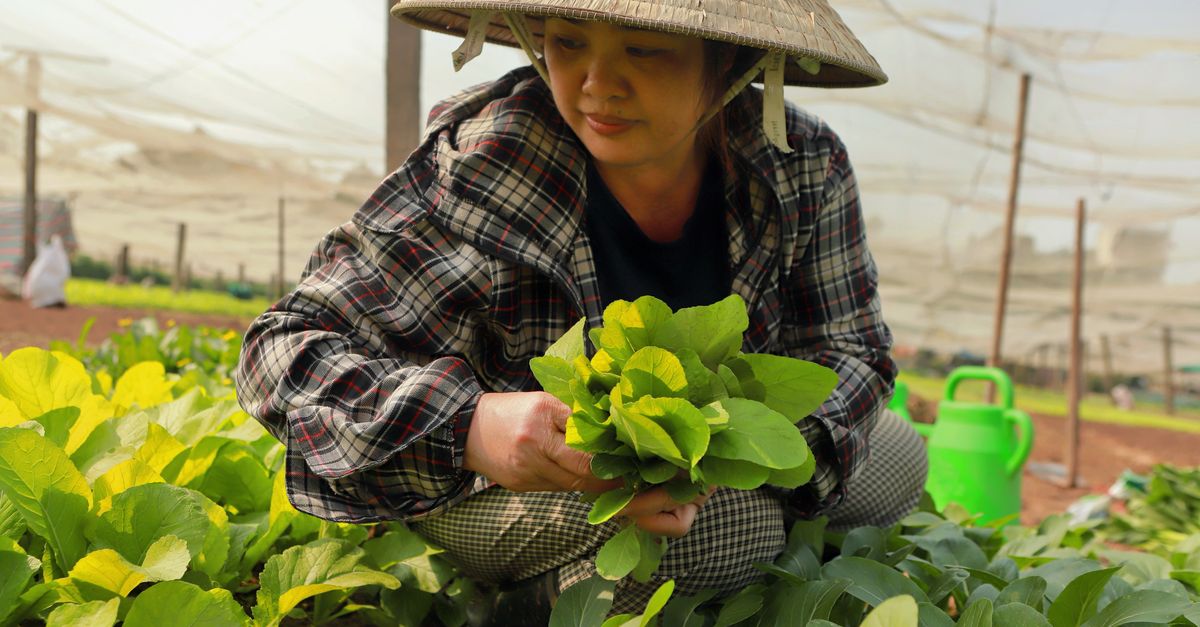
Why Your Home Garden Isn't Thriving (And The Simple Shifts That Changed Everything For My Harvests)
Are you staring at sad, stunted plants, wondering why your home garden never quite lives up to the vibrant images you see online? You’ve put in the work – bought the seeds, tilled the soil, watered diligently – but your tomatoes are meager, your basil is wilting, and your cucumbers are nowhere to be seen. I’ve been there. For years, my garden was a cycle of hopeful planting followed by disappointing harvests. I blamed my ‘black thumb,’ the weather, or even the seeds themselves. But what I eventually discovered, through a lot of trial and error and a deeper dive into soil science, was that I was making several fundamental mistakes that most beginner (and even intermediate) gardeners unknowingly repeat. These aren’t just minor adjustments; they’re paradigm shifts that changed everything for my yields, transforming my plots from patchy disappointments into bountiful oases. It turns out, successful gardening isn’t just about what you do, but often what you stop doing or reframe entirely.
Key Takeaways
- Stop focusing on synthetic fertilizers and prioritize building living, nutrient-rich soil from day one.
- Ditch frequent, shallow watering and switch to deep, infrequent watering to encourage strong root development.
- Avoid planting sun-loving crops in partial shade; always match your plants to your garden’s true light conditions.
- Reconsider companion planting myths and instead focus on crop rotation and soil health for pest prevention.
The Soil Paradox: Why ‘Fertile’ Isn’t Always Living
When I first started gardening, my understanding of ‘fertile soil’ was simple: add some store-bought compost, maybe a chemical fertilizer, and call it a day. The results were consistently mediocre. My plants would start strong but quickly yellow or fail to produce. The mistake I see most often, and one I made for years, is viewing soil as merely a medium to hold plants, rather than a living, breathing ecosystem. True fertility isn’t just about N-P-K ratios; it’s about the microbial life within the soil.
What changed everything for me was embracing the concept of building living soil. Instead of constantly adding quick-fix synthetic fertilizers, I shifted my focus to nurturing the soil food web. This meant a drastic reduction in tilling (which disrupts fungal networks) and a significant increase in organic matter. I started with a soil test to understand my starting point, then began amending my beds with aged manure, worm castings, and most importantly, a thick layer of natural, well-decomposed compost twice a year. I also began experimenting with cover crops in the off-season, like clover and vetch, which naturally add nitrogen and improve soil structure. This wasn’t an instant fix; it was a long-term investment. But within two seasons, the difference was astounding. My soil became darker, more crumbly, and smelled earthy and sweet. My plants grew stronger, were more resistant to pests and diseases, and my harvests exploded. The soil wasn’t just ‘fertile’ in a chemical sense; it was alive, and that living energy translated directly into thriving plants.
The Watering Illusion: Less is Often More for Deeper Roots
Like many novice gardeners, I used to believe that more water equaled happier plants. I’d grab the hose every evening and give my plants a quick sprinkle, often getting the leaves wet. My plants looked fine for a while, but they struggled in heatwaves, and their growth was never vigorous. The mistake here is creating a dependency on surface water.
What truly works is deep, infrequent watering. When you water frequently and shallowly, you train your plant’s roots to stay near the surface, where the water is. This makes them incredibly vulnerable to drying out during hot spells and less efficient at drawing nutrients from deeper soil layers. What I learned to do was deeply saturate the soil, letting the water penetrate 6-12 inches down, and then wait until the top few inches were dry before watering again. For my established plants, this often meant watering only 2-3 times a week, sometimes less depending on the weather. I also started watering at the base of the plant, avoiding wetting the foliage, which reduces the risk of fungal diseases. To check moisture levels, I’d simply stick my finger into the soil. If it felt dry to the second knuckle, it was time to water. This strategy forced my plants to send their roots deeper, creating a much more resilient and self-sufficient plant. The difference in drought tolerance and overall plant vigor was remarkable. My plants were no longer just surviving; they were genuinely thriving.
The Sun Miscalculation: Your Yard Isn’t as Sunny as You Think
I vividly remember planting a row of bell peppers, a notoriously sun-loving crop, in what I thought was a sunny spot. It received direct sun for about four hours in the morning, then dappled shade in the afternoon. My peppers were small, green, and never really ripened to a vibrant red or yellow. This is a common pitfall: misjudging your garden’s actual sun exposure.
The non-obvious mistake is assuming ‘mostly sunny’ is good enough for plants that require ‘full sun.’ Full sun means 6-8+ hours of direct, unobstructed sunlight every single day. Anything less, and many fruiting plants will struggle. What changed everything for me was conducting a detailed sun map of my garden. For one full day, from sunrise to sunset, I went out every hour and noted exactly which parts of my garden were in full sun, partial sun (4-6 hours), or shade (less than 4 hours). I even took photos at different times to visualize the sun’s path and how shadows moved. What I discovered was that my ‘sunny’ pepper spot only received about 5 hours of direct sun, which simply isn’t enough for optimal pepper production. Since then, I’ve been meticulous about matching plants to their actual light requirements, moving my sunniest crops to the sunniest spots and embracing shade-tolerant options for the shadier areas. This seemingly simple step of accurate assessment ensures that every plant starts with its most fundamental need met, leading to dramatically better growth and yields across the board.
The Companion Planting Overwhelm: Focus on the Fundamentals First
Early in my gardening journey, I fell deep into the rabbit hole of companion planting charts. I tried to strategically place marigolds next to tomatoes, basil with peppers, and borage with strawberries, convinced these pairings would solve all my pest problems and boost growth. While some anecdotal evidence exists, in my experience, over-reliance on complex companion planting charts often distracts from the more impactful fundamentals.
The common mistake is chasing elaborate, often unproven, ‘hacks’ before mastering the basics. What actually works for robust plant health and natural pest deterrence is a focus on overall garden health, crop rotation, and physical barriers. Instead of trying to create a perfect botanical symphony, I now prioritize:
- Healthy Soil: As mentioned, strong plants grown in living soil are naturally more resistant to pests and diseases. They have a built-in defense.
- Crop Rotation: I diligently rotate my crops each season, ensuring that I don’t plant the same family of vegetables in the same spot year after year. This breaks pest and disease cycles that can build up in the soil and prevents nutrient depletion.
- Observation and Early Intervention: I spend time observing my plants daily. Catching a pest infestation or a disease sign early means I can address it with simple, organic methods (like hand-picking pests or pruning affected leaves) before it becomes a major problem.
- Physical Barriers and Decoy Crops: For specific, persistent pests, I use physical barriers like row covers. I also learned to strategically plant ‘sacrificial’ plants at the garden’s edge to draw pests away from my main crops. For instance, I’ll plant extra calendula or nasturtiums, knowing aphids might prefer them over my prized vegetables.
By simplifying my approach and focusing on these robust, foundational strategies, my garden became less about complex planning and more about fostering a resilient ecosystem. The result? Fewer pest issues overall and healthier, more productive plants without the headache of deciphering intricate planting diagrams.
Frequently Asked Questions
Q: How do I know if my soil is truly ‘living’ or just chemically fertile?
A: Living soil has a distinct earthy smell, is rich and dark in color, and has a crumbly, well-aerated texture. You’ll likely see earthworms and other beneficial insects when you dig into it. A key indicator is consistent, vigorous plant growth without constant synthetic fertilizer inputs. If your soil smells like nothing, is hard-packed, or your plants only thrive with chemical boosts, it’s likely lacking in microbial life.
Q: Can I convert my existing garden soil to ‘living’ soil quickly?
A: While true soil health is built over time, you can kickstart the process by immediately stopping tillage, applying a generous 2-4 inch layer of high-quality compost, and starting to use organic mulches (like straw or wood chips). Incorporating worm castings or compost tea can also provide an immediate microbial boost. It’s a continuous process, but you’ll see improvements within one growing season.
Q: How do I measure my garden’s sun exposure accurately without special tools?
A: The simplest way is a manual sun map. Choose a sunny day and go outside every hour, from sunrise to sunset. Note which areas of your garden receive direct sunlight. You can draw a simple sketch of your garden beds and shade in the sunny spots at each hour mark. After a full day, count the hours of direct sun each section receives. Repeat this a few times throughout the season, as the sun’s path changes slightly.
Q: Is companion planting completely useless then?
A: Not entirely! Some companion planting relationships, like the ‘Three Sisters’ (corn, beans, squash), are historically and scientifically sound due to their symbiotic growth patterns. Others, like basil with tomatoes, can be beneficial for subtle flavor enhancement or mild deterrence. My point is to not rely on it as your primary pest or growth strategy. Focus on overall soil health, water, and light first, then experiment with well-researched companion pairings as a supplementary measure.
Q: My plants still struggle despite healthy soil and proper watering. What else could it be?
A: Beyond soil, water, and sun, consider potential issues like nutrient deficiencies (a soil test is crucial here), extreme temperatures (some plants bolt in heat, others suffer in cold), aggressive pests or diseases (check plants daily), or even overcrowded planting. Ensuring proper spacing gives plants enough air circulation and root room to thrive. Sometimes, it’s also about selecting varieties suited to your specific climate and micro-climate.
Getting your home garden to truly thrive is a journey, not a destination. It’s about cultivating a deeper understanding of the living systems at play, rather than just following prescriptive instructions. By shifting your focus from quick fixes to foundational health—prioritizing living soil, mastering deep watering, accurately assessing sun exposure, and building overall garden resilience—you’ll move beyond patchy harvests to abundant yields. The joy of harvesting vibrant, healthy produce from your own backyard is incredibly rewarding, and it all starts with these crucial, often overlooked, shifts. Begin with your soil, observe diligently, and let your garden surprise you with its newfound vitality.
Written by Dr. Anya Sharma
Nutrition science, meal planning, dietary habits
A registered dietitian with a PhD in Nutritional Sciences, Anya focuses on sustainable eating habits and evidence-based dietary advice.
You Might Also Like

Why Your Homemade Cookies Are Flat (And The Simple Fixes That Guarantee Perfect, Puffy Results Every Time)
Tired of flat, lifeless cookies? Discover the overlooked mistakes that flatten your treats and learn simple fixes for perfect, puffy cookies every time.

Why Your Homemade Pizza Crust Isn't Crispy (And The Pro Secrets That Deliver Pizzeria-Quality Crunch Every Time)
Unlock pizzeria-quality crispy pizza crust at home. Discover common mistakes and pro secrets for perfect crunch every time, by Dr. Anya Sharma.
Why Your Homemade Sauces Are Too Thin and Lackluster (And The Pro Secrets for Rich, Velvety Perfection Every Time)
Ever wonder why restaurant sauces are so rich while yours fall flat? Discover the professional techniques for velvety, flavorful homemade sauces.