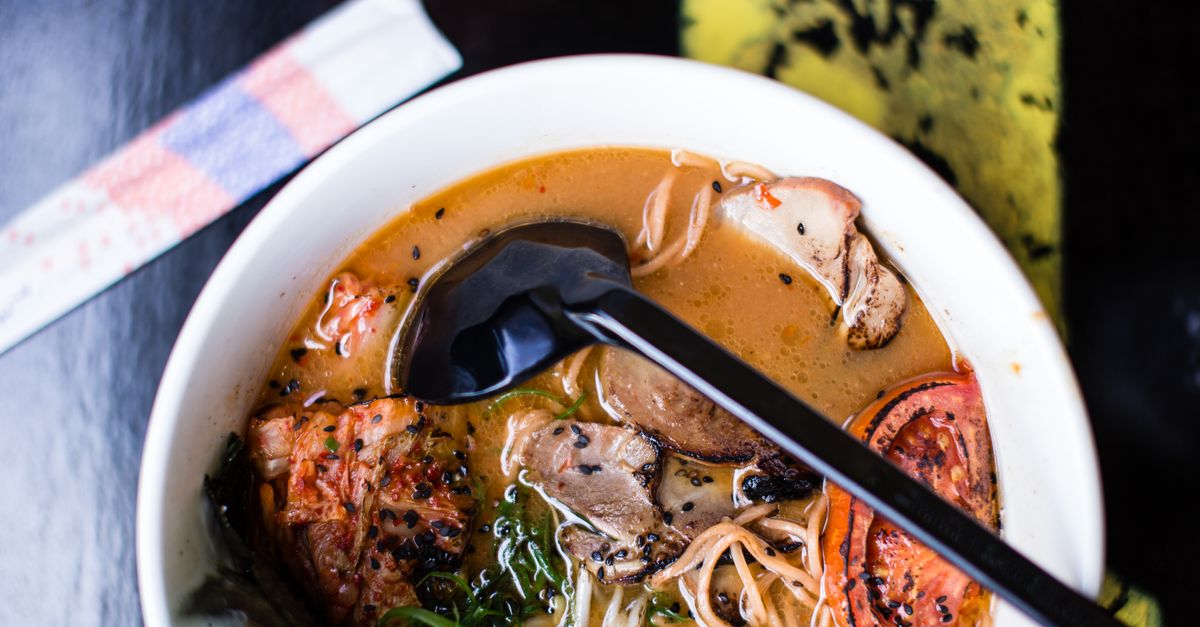
Why Your Homemade Soup is Bland (And The Umami Secrets That Changed Everything For Me)
You’ve followed the recipe to the letter. All the right vegetables, good quality protein, herbs, and spices – yet your homemade soup still tastes… flat. It’s got liquid, it’s got texture, but that deep, satisfying, ‘I could eat this all day’ flavor is just missing. I used to face this exact frustration in my own kitchen. My soups were fine, but they never had that restaurant-quality richness or the comforting depth I craDved, especially during colder months or when I needed a nourishing pick-me-up. I’d add more salt, more pepper, a dash of this, a sprinkle of that, but it always felt like I was chasing something elusive.
After years of experimenting, and a deep dive into the science of flavor, I realized the problem wasn’t my ingredients or technique, but a fundamental misunderstanding of one of the most powerful flavor components: umami. Most home cooks focus on salty, sweet, sour, and bitter, forgetting the fifth basic taste that can elevate a dish from merely ‘good’ to truly unforgettable. For me, unlocking the secrets of umami was a game-changer, transforming my bland broths into bowls of complex, satisfying flavor. It’s not just about adding a single ingredient; it’s about a multi-layered approach that builds flavor from the very beginning of your cooking process.
Key Takeaways
- Your soup is likely bland due to a lack of layered umami, not just insufficient salt or spice.
- Activating naturally occurring glutamate through proper cooking techniques is crucial for deep flavor.
- Incorporate ‘umami bombs’ like tomato paste, mushrooms, and nutritional yeast at strategic points in your cooking.
- Build flavor from the base up, starting with sautéed aromatics and deglazing, before adding liquids.
- Finish your soup with a final touch of acid to brighten and enhance all the developed flavors.
The Fundamental Misconception: It’s Not Just About Salt
The most common response to bland soup is to reach for the salt shaker. While salt is undeniably important for enhancing flavor and is a critical component of any delicious dish, it’s not a magic bullet for depth. Adding more salt to an already bland soup often just makes it taste saltier, not richer or more complex. It’s like turning up the volume on a bad song – it just makes the badness louder.
In my experience, the mistake I see most often is neglecting the foundational flavors that contribute to what chefs call ‘body’ or ‘roundness.’ This isn’t just about the physical thickness of the broth, but its overall presence on the palate. A soup can be perfectly seasoned with salt, but if it lacks the savory backbone that umami provides, it will still feel empty. Think of it like a beautiful painting with vibrant colors but no background – it feels unfinished. Umami acts as that critical background, a rich, savory bass note that supports all the other flavors.
Many of us were taught to just dump ingredients into water or broth and boil. But this method often skips the crucial steps that develop the building blocks of umami. Without actively engaging in browning, caramelizing, and conscious layering, you’re leaving a significant portion of your soup’s potential flavor on the table. It’s not just about what you put in, but how you prepare what you put in, and the chemical reactions you encourage.
Umami Activators: Beyond the Basics of Broth
Umami, often described as a savory, meaty, or earthy taste, comes from glutamate, an amino acid naturally found in many foods. The trick isn’t just to add glutamate-rich ingredients, but to activate and concentrate that glutamate through cooking. Here are some of the unsung heroes that transformed my soups:
Tomato Paste (The Undisputed MVP): This is my absolute number one secret weapon. Most recipes just say ‘add tomato paste.’ The mistake is not browning it. After sautéing your onions and garlic, push them aside and add the tomato paste directly to the hot pan. Let it cook, stirring, for 3-5 minutes until it darkens significantly and smells almost jammy. This caramelizes the sugars and concentrates the glutamates, creating an explosion of umami that will form a rich base for your soup. What changed everything for me was seeing a professional chef demonstrate this; the difference in depth was immediately noticeable.
Mushrooms (Dried are Gold): Fresh mushrooms offer a lovely earthy note, but dried mushrooms (especially porcini or shiitake) are umami powerhouses. Rehydrate them in hot water, then chop them finely and add them to your sautéed aromatics. Don’t discard the soaking liquid! Strain it carefully to remove any grit and add it to your soup along with your broth. That murky, flavorful liquid is pure umami gold. The concentrated flavor of dried mushrooms far surpasses fresh in terms of savory impact.
Parmesan Rinds: Never throw these away! Keep a bag of them in your freezer. Drop one or two into your simmering soup, and let them infuse for at least 30 minutes, or until the soup is done. The rinds slowly release salty, nutty, and deeply savory notes that provide incredible depth. Just remember to fish them out before serving.
Soy Sauce or Miso Paste: These fermented ingredients are packed with free glutamates. A tablespoon or two of soy sauce, added towards the end of cooking, can provide a subtle, salty umami boost without making your soup taste explicitly Asian. Miso paste, dissolved in a little warm broth before stirring into the soup (especially towards the end of cooking to preserve its beneficial bacteria), offers a creamy, earthy, and complex umami that is fantastic in vegetable or chicken soups.
Nutritional Yeast: For vegetarian or vegan soups, nutritional yeast is a fantastic way to mimic cheesy, savory notes. A couple of tablespoons can add a significant umami kick. It’s great stirred in towards the end of cooking or even sprinkled over individual servings.
The Power of the Pot: Building Flavor from the Base Up
Beyond specific ingredients, the way you start your soup is paramount. This is where most home cooks, including my past self, rush things.
Proper Sautéing of Aromatics: Don’t just soften your onions, carrots, and celery. Cook them slowly in a good amount of fat (oil or butter) until they are deeply golden and caramelized, not just translucent. This can take 10-15 minutes on medium-low heat. The sugars within the vegetables caramelize, developing new, complex flavors and deepening existing ones. This browning reaction (Maillard reaction) is a cornerstone of flavor development.
Deglazing the Pan: After sautéing your aromatics and browning your tomato paste, you’ll notice delicious brown bits stuck to the bottom of the pot. These are called fond, and they are flavor bombs. Pour in a splash of wine, beer, or even just water or broth, and scrape up all those browned bits with a wooden spoon. This deglazing step incorporates all that concentrated flavor back into your soup base, preventing it from being bland.
Toasting Spices: If your recipe calls for dried spices (e.g., cumin, coriander, paprika), add them to the hot pan with a little oil after your aromatics have cooked, but before adding liquid. Toast them for 30-60 seconds until fragrant. This releases their essential oils and deepens their flavor. Be careful not to burn them, as this will make them bitter.
Roasting Vegetables or Bones: Before adding them to the pot, consider roasting certain vegetables (like squash, bell peppers, or even whole onions) or browning soup bones in the oven. Roasting caramelizes their surfaces, intensifying their natural sweetness and developing profound umami notes that will then infuse into your broth.
The Finishing Touch: Why Acid is Your Soup’s Best Friend
This is a tip I learned later in my culinary journey, and it completely revolutionized how my soups tasted. You’ve spent all this time building layers of savory, sweet, and aromatic flavors. But sometimes, even with all that umami, a soup can still feel a little heavy or lack a certain vibrancy. The solution? A touch of acid at the very end.
A squeeze of fresh lemon juice, a drizzle of red wine vinegar, or a splash of apple cider vinegar can brighten all the other flavors in your soup, making them ‘pop.’ It’s like turning on a light in a dimly lit room. The acid cuts through richness, balances sweetness, and makes the savory notes even more pronounced. This isn’t about making your soup taste sour, but about enhancing its overall profile. In my experience, even a small amount can transform a soup from good to sensational. Taste your soup before adding acid, then add a tiny bit, stir, and taste again. You’ll be amazed at the difference.
A Holistic Approach to Deep Flavor
Moving away from bland soups isn’t about one magic ingredient or technique; it’s about adopting a more thoughtful, layered approach to flavor development. It involves understanding that heat and time are your allies in transforming ingredients, and that every step in the cooking process offers an opportunity to build complexity.
- Be Patient with Browning: Don’t rush the sautéing of aromatics or the browning of tomato paste. These are foundational steps that pay dividends in flavor.
- Embrace Umami Boosters: Consciously incorporate ingredients like dried mushrooms, Parmesan rinds, or miso into your repertoire.
- Deglaze Every Time: Don’t leave those precious brown bits in the bottom of your pot.
- Season in Layers: Add salt and pepper throughout the cooking process, tasting as you go, rather than just at the end. This allows flavors to meld more effectively.
- Finish with Acid: A final touch of lemon juice or vinegar is often the missing piece that ties everything together.
By implementing these strategies, your homemade soups will no longer be ‘just fine.’ They’ll be rich, deeply flavorful, and incredibly satisfying – the kind of soup that nourishes not just the body, but the soul.
Frequently Asked Questions
Q1: Can I still get good umami flavor if I don’t use meat or animal products?
Yes, absolutely! Many plant-based ingredients are rich in umami. Mushrooms (especially dried porcini or shiitake), tomato paste, nutritional yeast, miso paste, soy sauce, sun-dried tomatoes, and even roasted vegetables like carrots and onions are fantastic plant-based umami boosters. The key is still to activate these through proper cooking, like browning the tomato paste or rehydrating dried mushrooms.
Q2: How much tomato paste should I use, and does it matter what kind?
For most standard soup recipes (e.g., 6-8 servings), 1-2 tablespoons of tomato paste, properly browned, is usually sufficient to build a great umami base. The kind doesn’t matter too much; standard canned tomato paste works perfectly. Just ensure you give it enough time to darken and caramelize in the hot pan before adding liquids.
Q3: What if I don’t have fresh lemons or vinegar for the finishing touch?
While fresh lemon juice or a good quality vinegar are ideal, you can still add a brightening effect. A tiny dash of tamarind paste (dissolved in warm water) can add tang, or even a very small amount of white wine or vermouth, cooked off at the end, can add a subtle acidity. The goal is to introduce a bright, cutting flavor to balance the richness.
Q4: My soup is still too thin even with good flavor. How can I thicken it naturally without flour or cornstarch?
For natural thickening that also adds more depth, consider puréeing a portion of your soup. If it contains starchy vegetables like potatoes, sweet potatoes, or beans, blend about 1-2 cups of the cooked soup with an immersion blender or in a regular blender, then stir it back in. This not only thickens but also makes the soup creamier and integrates flavors further. Another option is to add a handful of red lentils during cooking; they break down and thicken the soup without altering the flavor significantly.
Q5: How can I tell if my soup has enough umami or is just salty?
Taste is your best guide. If your soup tastes predominantly of salt, but still feels ‘empty’ or lacks a satisfying mouthfeel, it likely needs more umami. Umami provides a lasting, savory sensation that coats the tongue and leaves you wanting more, often described as a ‘fullness’ or ‘meatiness’ even in vegetarian dishes. If the saltiness hits hard and then quickly dissipates, you’re missing that umami backbone. Try adding one of the umami activators mentioned, like browned tomato paste or a splash of soy sauce, and taste the subtle but significant difference it makes. Pay attention to how the flavor lingers on your palate. If it’s a pleasant, savory linger, you’re on the right track.
Written by Dr. Anya Sharma
Nutrition science, meal planning, dietary habits
A registered dietitian with a PhD in Nutritional Sciences, Anya focuses on sustainable eating habits and evidence-based dietary advice.
You Might Also Like

Why Your Home Humidifier is Secretly Making You Sick (And What To Do Instead)
Discover why your humidifier might be harming your health and learn simple, effective solutions for healthier indoor air. Stop humidifier sickness now!

Why Your Strength Training Isn't Building Muscle (And The 3 Critical Mistakes I See Most Often)
Struggling to build muscle despite consistent strength training? Discover the 3 critical mistakes holding you back and learn what truly works.

Why Your Cardio Workouts Feel Ineffective (And The 3 Crucial Shifts That Changed Everything For My Endurance)
Stuck on a cardio plateau? Discover the 3 critical mistakes making your workouts ineffective and the shifts that will boost your endurance.