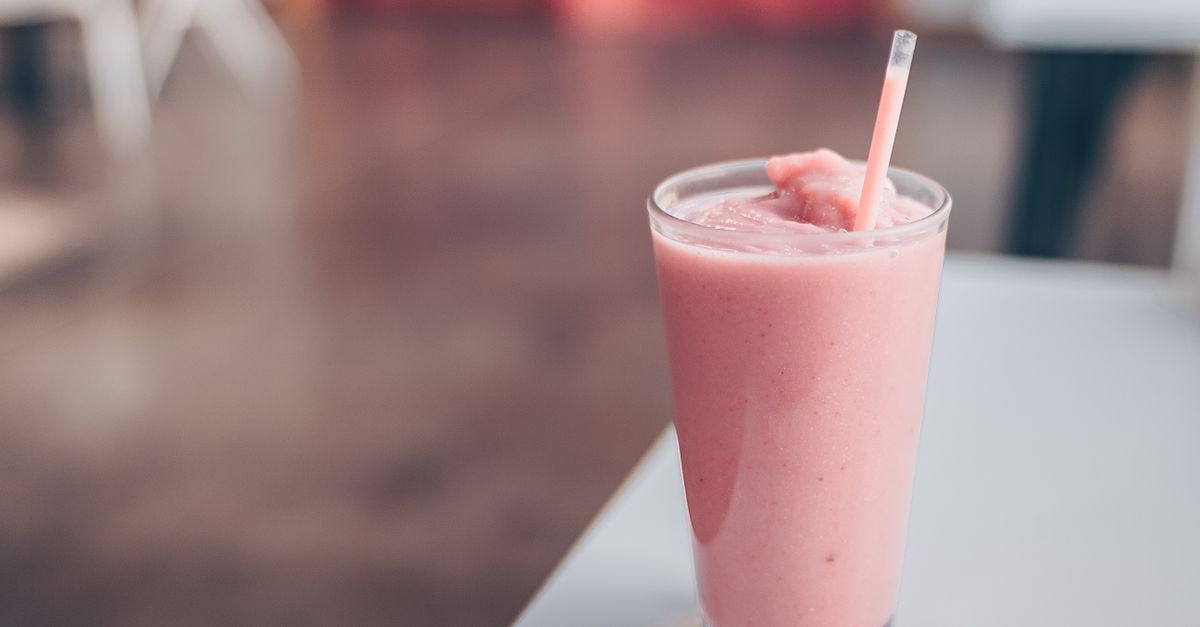
Why Your Homemade Smoothies Are Lumpy (And The Simple Shifts That Guarantee Silky Smooth Perfection Every Time)
Are you tired of making smoothies that promise creamy, dreamy texture but deliver a lumpy, chunky disappointment? You meticulously measure your ingredients, toss them into the blender, hit the button with optimism, only to be met with an unappetizing, uneven concoction. It’s a common scenario, and one that often leads people to abandon homemade smoothies altogether, or worse, settle for a subpar experience. In my experience as a nutritionist, many of my clients come to me frustrated, wondering why their attempts at a healthy, delicious blend consistently fall flat. They assume it’s their blender, or perhaps the recipe, but often, the culprits are far more subtle than they realize. The truth is, achieving that velvety-smooth consistency isn’t just about throwing things together; it’s about understanding the science behind the blend.
Key Takeaways
- Layer ingredients strategically in your blender, starting with liquids and softest items, to ensure efficient blade contact and a smooth blend.
- Always use frozen fruit or ice to achieve coldness and proper thickness without diluting flavor, preventing a watery, lumpy result.
- Extend your blending time, even after it looks smooth, to fully break down fibers and create an emulsified, creamy texture.
- Avoid adding too many dense or fibrous ingredients at once, which can overload the blender and lead to an uneven blend.
The Unseen Layering Mistake: Why Order Matters More Than You Think
When I first started making smoothies, I’d just dump everything into the blender in no particular order. Fruit, protein powder, spinach, ice, and then a splash of milk — it seemed logical enough. The result? A lot of scraping down the sides, frustrating chunks, and an overall gritty texture. What I quickly learned, and what I now emphasize with every client, is that the order in which you add ingredients is absolutely paramount to a smooth blend. This isn’t just a minor tip; it’s a foundational principle of efficient blending that most people completely overlook. Imagine building a house: you don’t start with the roof. A blender works similarly. The blades need easy access to the softest, most liquid ingredients first to create a vortex that pulls everything else down and into the chopping zone.
The mistake I see most often is people starting with dense, frozen ingredients or large chunks of produce. This immediately bogs down the blades, forcing them to work harder against stiff resistance, which prevents proper circulation and leaves larger pieces untouched. What changed everything for me, and what I recommend, is a specific layering technique: always start with your liquids (water, milk, juice) at the bottom. This allows the blades to immediately form a vortex. Next, add soft ingredients like spinach, kale, fresh berries, or powders (protein, collagen, greens). These get quickly pulverized by the liquid’s motion. Finally, add your hardest or frozen ingredients – ice, frozen fruit, thick yogurt, or nuts. By the time these hit the blades, a strong vortex is already established, effectively pulling them down and incorporating them into the blend, rather than letting them sit stubbornly at the top or bottom. This strategic layering isn’t just about making your blender’s job easier; it’s about creating an efficient flow that systematically breaks down ingredients, leading to a consistently silky-smooth result without the frustrating chunks.
The Temperature Trap: Why Warmth Sabotages Smoothness
Another common error that leads to lumpy, unappetizing smoothies is the lack of proper coldness, which directly impacts consistency. I often hear from clients, “My smoothie turns out watery, but if I add more ice, it gets too thick or chunky.” This indicates a fundamental misunderstanding of how temperature and frozen ingredients contribute to texture. Warm or room-temperature ingredients, even if blended thoroughly, often result in a thin, lackluster smoothie that quickly separates. The problem isn’t just the temperature itself, but how it affects the density and emulsification of your blend. Warm liquids thin out much faster, making it harder for ingredients like nut butter or powders to fully disperse, leading to a gritty or separated texture.
The solution is deceptively simple but requires intention: always prioritize frozen ingredients over just ice, and ensure your base liquid is cold. Instead of adding a handful of ice to lukewarm fruit, aim for at least 50% frozen fruit in your blend. Frozen bananas, berries, mango chunks, or pre-frozen spinach are game-changers. Not only do they provide the necessary coldness to maintain a thick, creamy consistency, but they also contribute to the body and emulsification of the smoothie without diluting its flavor. If you do use ice, add it at the very end of your layering, and make sure your liquids are chilled. The cold helps solidify fats and proteins, leading to a richer, more uniform mouthfeel. This means no more watery, separated smoothies—just a thick, frosty, perfectly smooth concoction that holds its texture from the first sip to the last.
The Under-Blending Blunder: Patience is a Virtue for Velvety Texture
Many people make the mistake of stopping their blender the moment the visible chunks disappear. They see a smooth surface and assume the job is done. In my practice, I’ve observed that this under-blending blunder is a major contributor to residual lumpiness and an overall lack of creaminess. The visual appearance of smoothness can be deceiving. While large pieces might be gone, smaller, fibrous particles or undissolved powders can still be present, ready to provide an unpleasant texture on your palate. Think of it like making a sauce; you don’t stop stirring just when it looks combined, you keep going until it’s truly emulsified and silky.
What truly changed my own smoothie game, and what I now teach, is the power of extending your blending time. Even after your smoothie looks perfectly smooth, let it run for an additional 30-60 seconds on a medium-to-high setting. This extra time allows the blades to work their magic on a microscopic level, fully breaking down stubborn fibers, thoroughly hydrating powders, and emulsifying fats. This process creates a much finer, more homogenous mixture, resulting in that coveted velvety texture. For truly fibrous ingredients like kale or ginger, consider adding them with your liquid and softer ingredients, and blend them into a preliminary liquid base before adding the frozen components. This pre-blending step ensures maximum pulverization and guarantees a silky-smooth finish, eliminating any last vestiges of lumpiness or grit.
Overloading the Beast: Why Less Can Be More for Your Blender
It’s tempting to pack as many nutrient-dense ingredients as possible into your morning smoothie – a handful of spinach, a scoop of protein, frozen berries, chia seeds, nut butter, and a few more “boosters” for good measure. However, this common enthusiasm often leads to another culprit of lumpy smoothies: overloading the blender. While powerful blenders can handle a lot, there’s a limit to what they can efficiently process, especially if the ingredients are dense or fibrous. When the blender jar is too full, or the proportion of solids to liquids is off, the blades struggle to create the necessary vortex. This prevents proper circulation, meaning ingredients at the top or stuck to the sides won’t get pulled down to the blades, resulting in an uneven, chunky blend.
My advice is to be mindful of your blender’s capacity and the density of your ingredients. If you’re using a standard blender, avoid filling it more than two-thirds full when adding solid ingredients. If you have a high-powered blender, you might push this slightly, but always err on the side of caution. Furthermore, consider the balance of ingredients. A smoothie packed with multiple types of frozen fruit, thick nut butter, and a large amount of leafy greens without enough liquid will overwhelm even the most robust machines. If you’re keen on packing in many ingredients, try adding them in stages, blending a portion until smooth before adding the next batch. Or, if you know you want a particularly thick blend, accept that you might need a tamper stick to manually push ingredients into the blades. Ultimately, a slightly smaller, perfectly smooth smoothie is far more enjoyable and nutritious than a larger, lumpy one that you dread drinking.
Frequently Asked Questions
Q: My smoothie is always chunky, even with a powerful blender. What’s wrong?
A: Even powerful blenders need help! The most common issue is incorrect layering. Always start with liquids and soft ingredients at the bottom, then add frozen and harder items last. This creates a vortex that pulls everything into the blades more efficiently, ensuring a smoother blend.
Q: How can I make my smoothie colder and thicker without adding too much ice that makes it watery?
A: Prioritize frozen fruit over ice. Frozen bananas, berries, or mango chunks add both coldness and body without diluting the flavor. If you do use ice, add it towards the end of the layering process and ensure your base liquids are already chilled.
Q: Why does my smoothie look smooth but still have a gritty texture?
A: This is typically due to under-blending. Even when visual chunks disappear, fine fibrous particles or undissolved powders can remain. Extend your blending time by an extra 30-60 seconds on high speed after it looks smooth to ensure complete pulverization and emulsification for a truly velvety texture.
Q: Can I use fresh fruit instead of frozen for a smooth smoothie?
A: While you can, fresh fruit often results in a thinner, less creamy smoothie. If using fresh fruit, compensate by adding extra ice or a frozen component like a small amount of frozen yogurt to achieve a thicker, colder consistency. Be prepared for a potentially less dense texture overall.
Q: My blender struggles to blend fibrous greens like kale. Any tips?
A: Yes! Try a ‘pre-blend’ technique. Add your liquids, soft fruits, and fibrous greens first. Blend these until they form a smooth liquid base, then add your frozen fruits or ice and blend again. This gives the greens extra time to break down fully before the bulk of the ingredients are introduced.
Q: My smoothie separates quickly after blending. How do I prevent this?
A: Separation often indicates a lack of proper emulsification, which comes from sufficient blending time and optimal temperature. Ensure you’re blending long enough (at least 30-60 seconds beyond visible smoothness) and using enough frozen ingredients to maintain a cold, thick consistency. Adding a small amount of healthy fat (like a quarter avocado or a tablespoon of chia/flax seeds) can also act as an emulsifier, helping the ingredients stay together longer.
Conclusion
Achieving that perfectly silky-smooth smoothie isn’t a magical act reserved for high-end cafes or culinary experts. It’s a science, easily mastered by understanding a few key principles that go beyond simply hitting the ‘on’ button. By intentionally layering your ingredients, prioritizing frozen components for optimal temperature and thickness, extending your blending time just a little longer, and avoiding the urge to overload your machine, you’ll transform your smoothie game forever. These aren’t just minor adjustments; they are foundational shifts that will move you from chunky disappointment to velvety perfection every single time. So, go forth and blend with confidence, knowing that a truly smooth, delicious, and nutritious smoothie is now well within your grasp. Your taste buds, and your health, will thank you.
Written by Dr. Anya Sharma
Nutrition science, meal planning, dietary habits
A registered dietitian with a PhD in Nutritional Sciences, Anya focuses on sustainable eating habits and evidence-based dietary advice.
You Might Also Like

Why Your Home Humidifier is Secretly Making You Sick (And What To Do Instead)
Discover why your humidifier might be harming your health and learn simple, effective solutions for healthier indoor air. Stop humidifier sickness now!

Why Your Strength Training Isn't Building Muscle (And The 3 Critical Mistakes I See Most Often)
Struggling to build muscle despite consistent strength training? Discover the 3 critical mistakes holding you back and learn what truly works.

Why Your Cardio Workouts Feel Ineffective (And The 3 Crucial Shifts That Changed Everything For My Endurance)
Stuck on a cardio plateau? Discover the 3 critical mistakes making your workouts ineffective and the shifts that will boost your endurance.